

Long Fermented Sourdough Bread Recipe

This long ferment sourdough bread recipe is easy to make, chewy, tangy and delicious! Featuring an easy to make dough with a long overnight ferment in the fridge, this simple artisan sourdough bread is perfect for busy families.
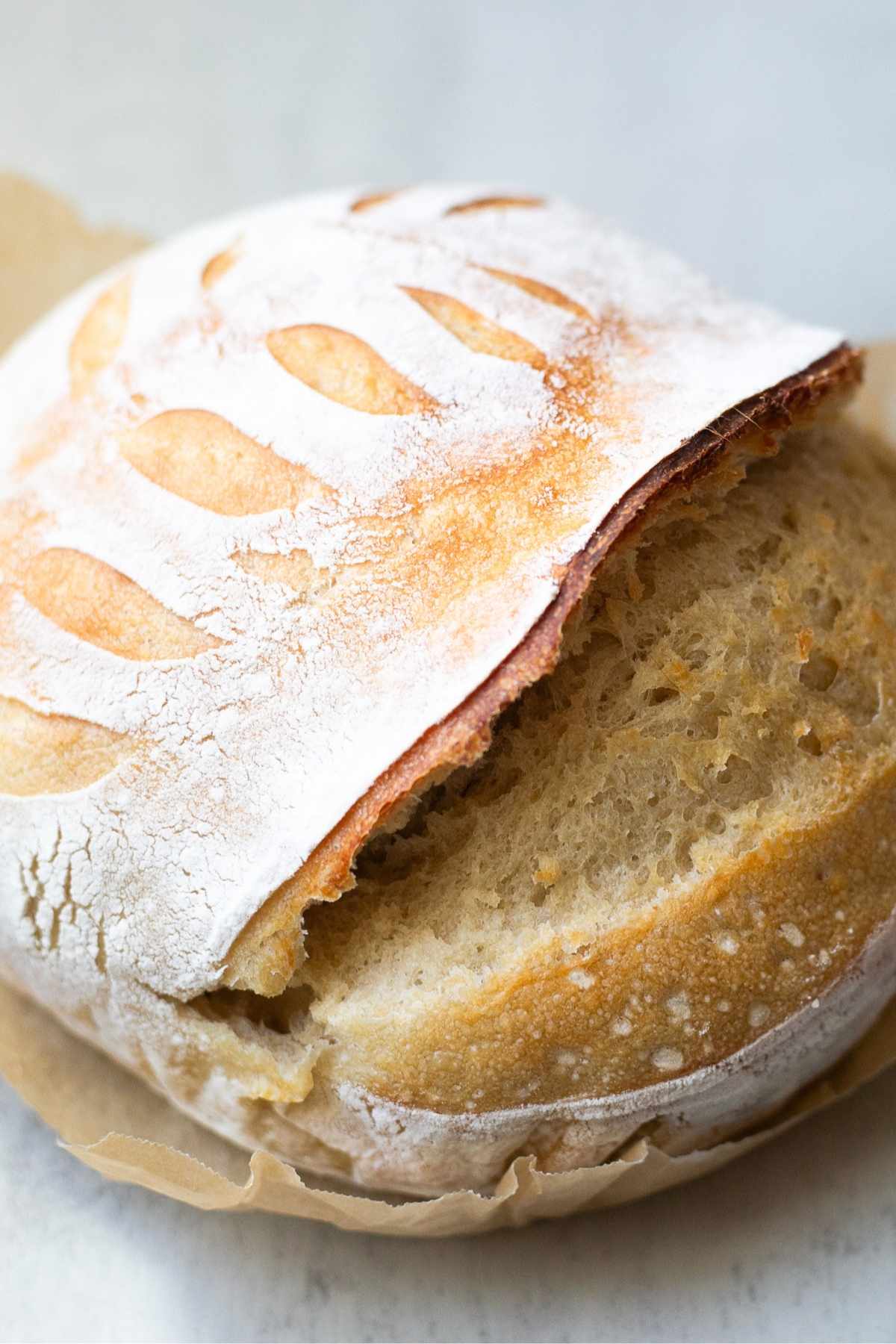
Jamie’s Recipe Summary – Long Fermented Sourdough Bread
- Taste: Extra tangy sourdough flavor.
- Texture: Chewy inner crumb with a firm, crispy golden crust.
- Total Time: 24-48 hours (depending on how long you ferment the dough)
- Skill level: Beginner friendly
- Tools needed: A large bowl, Dutch oven, banneton (optional)
- Why is this the best recipe? This chewy, tangy sourdough bread had a crispy golden crust and extra chewy crumb. This beginner friendly sourdough bread is very easy to make and the extra ferment time makes it easy to digest!
Summarize and Save This Recipe Content On:
Long fermented sourdough bread may take longer than a same day sourdough loaf or a traditional sourdough bread loaf, but the benefits are worth it.
Not only is the inner crumb chewy and extra sour, this slow-fermented loaf boasts a lower gluten level, making it easier on the gut but delicious to enjoy. And, you can take nearly any sourdough bread recipe- like sourdough double chocolate bread, sourdough herb bread, or a sourdough gingerbread loaf, and convert it to a long ferment bread following these steps.
Why You’ll Love This Recipe
- This recipe was specifically designed to be simple and easy to make. Like my sourdough sandwich loaf recipe, this bread is easy for beginner bakers.
- This long fermented sourdough bread recipe boasts a rich sourdough flavor with an extra sour tang, making it perfect for adapting to bread crumbs or sourdough stuffing.
- With a crackly golden crust and a chewy interior crumb, this easy sourdough loaf will impress friends and family.
- This sourdough recipe is great for busy moms- you can make a double batch and simply pull them out to bake throughout the week. See more sourdough meal planning ideas here.
Benefits Of Long Fermenting Sourdough Bread
Ever wonder what’s really going on in your sourdough starter? Naturally occurring yeast in your starter use the sugars in the flour as a food source, and in the process they create carbon dioxide. This CO2 is trapped within the gluten strands, creating bubbles that cause the dough to rise.
But that’s not all that’s happening!
During fermentation, naturally occurring enzymes and beneficial bacteria help break down some of the proteins in the flour, including gluten, through a process called proteolysis. Fermentation also helps break down certain carbohydrates that can be difficult for some people to digest.
This process is called fermentation. The longer the dough ferments, the more of the gluten is broken down- making long fermented bread a great option for those with sensitive stomachs.
There are many additional benefits to baking a long fermented loaf- the bread is not only tangier and chewier, it’s easier on blood sugar levels, has increased available minerals, and can keep you full longer.
If you are new to sourdough, you can learn how to start a sourdough starter from scratch here.
Ingredients
See the recipe card for ingredient amounts.
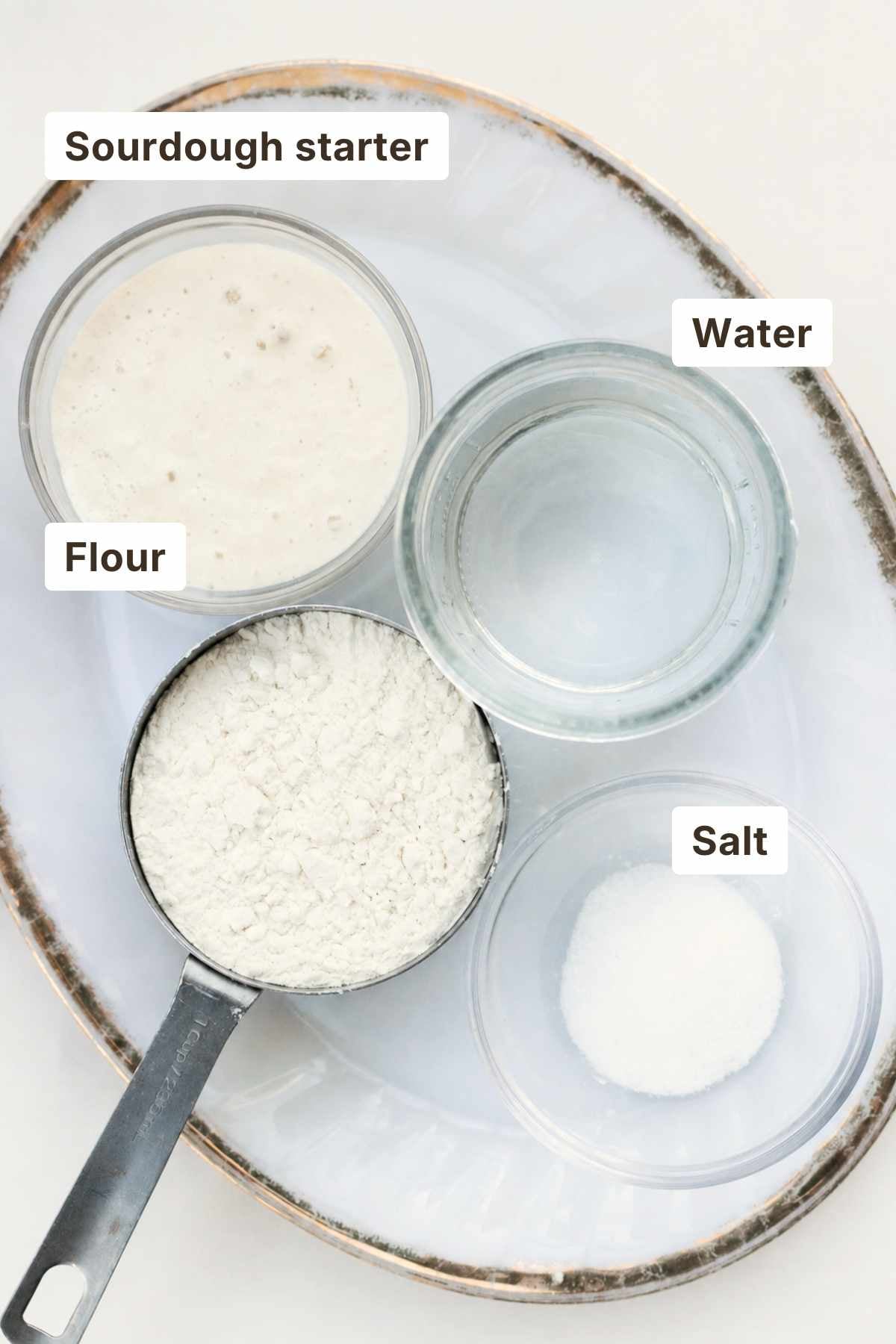
- Flour: due to it’s high protein content, bread flour is best, but all-purpose flour can be used in a pinch.
- Salt: I like to use a high quality sea salt.
- Water: Filtered water works best for sourdough bread.
- Sourdough starter: Use sourdough starter when it’s at it’s peak in activity, or just after. It should be bubbly and active.
Jamie’s Recipe Tips
- Refrigerator temperature is very important for this recipe. If your fridge is too warm, the dough will continue fermenting as it sits in the fridge and risk over-fermenting. Keep the fridge temperature to 38 degrees F or less. Use a refrigerator thermometer to keep an accurate eye on the temp.
- Use an active, bubbly starter for this recipe-preferably just after it “peaks”. You can learn how to care for your sourdough starter here.
- Room temperature will affect how quickly your dough rises. Warm room temperatures of 72 degrees F will speed up fermentation time, while colder temperatures will slow down fermentation time. If you’d like to control the temperature, consider using a bread proofer or a warming mat.
How To Make Long Fermented Sourdough Bread
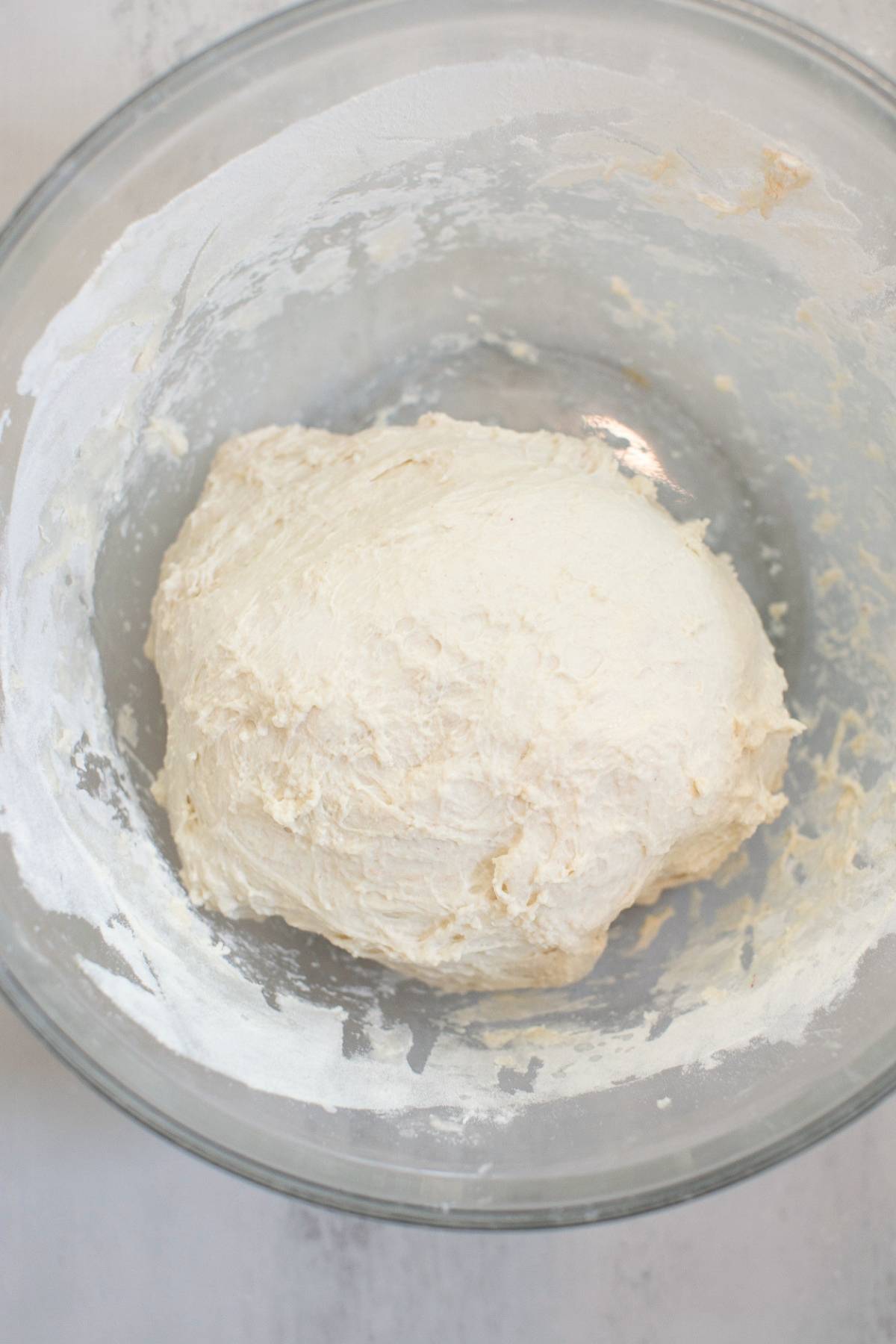
Step 1: Whisk together water and sourdough starter until nearly combined. Add the flour and salt and mix together until a rough ball of dough forms. Cover and let the dough rest for 30 minutes.
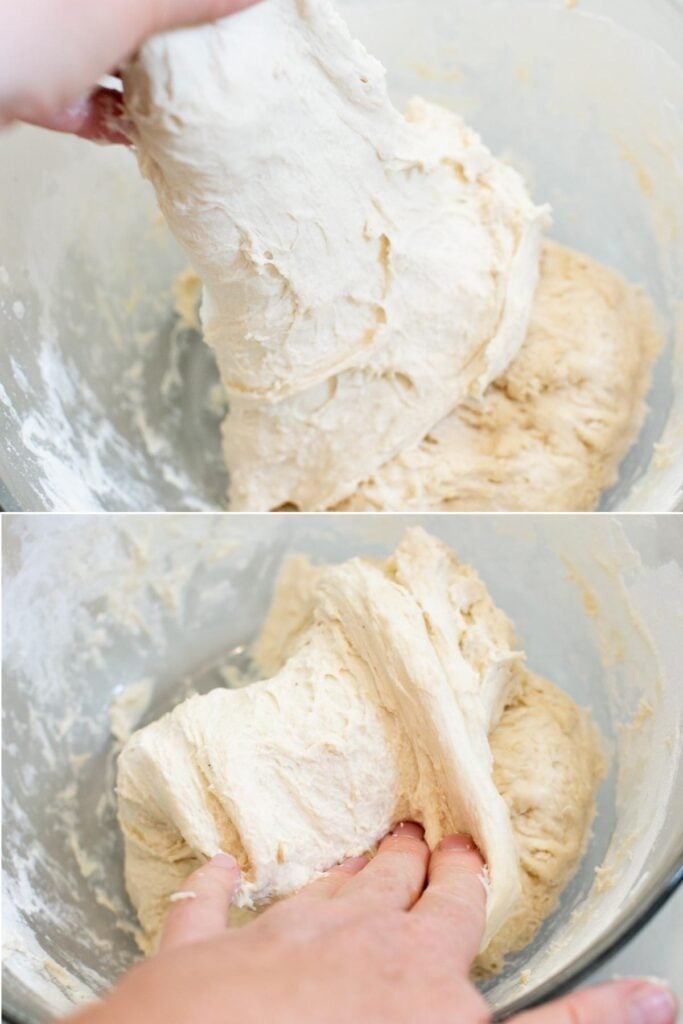
Step 2: Now we will begin stretching and folding the dough. This process develops the gluten and strengthens the dough. To perform one set, grab one side of the dough and stretch it up and over itself. Rotate the dough 1/4 of the way around and stretch and fold the dough again. Repeat this process, working your way around the dough over and over until the dough is taut can no longer stretch. Cover the dough and wait 30 minutes. Repeat 2-3 additional set of stretching and folding, spaced about 30 minutes apart.
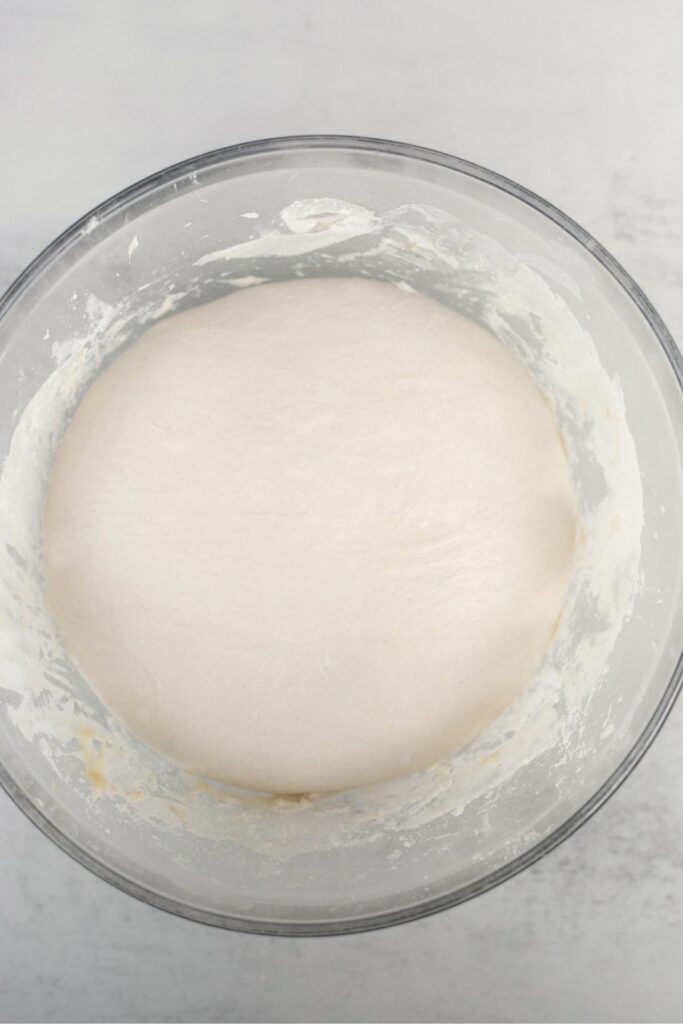
Step 3: After the last set of stretch and folds, cover the dough and let it ferment for 8-10 hours or until it is just under doubled in size.
The temperature of the environment will affect how quickly the dough ferments.
When done fermenting, the dough should be a few bubbles on the top of the dough, and the dough will be slightly domed and pull away easily from the side of the bowl.
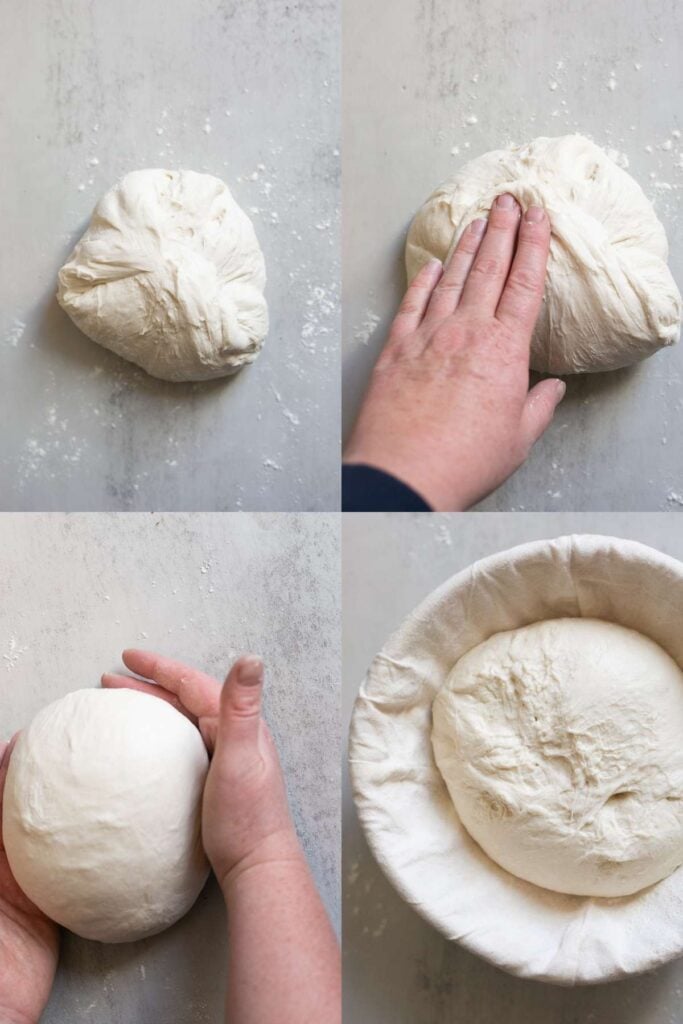
Step 4: Dump the dough out onto a lightly floured work surface. To shape, fold each side of the dough into the center, then turn it over. Add tension to the surface of the dough by pushing the dough in a clockwise direction along the surface of your countertop.
Place the dough seam-side up into a lightly floured banneton. Cover the dough and place in the fridge. I like to tie a plastic bag from a grocery store loosely around the dough.
See notes for information on fridge temperature.
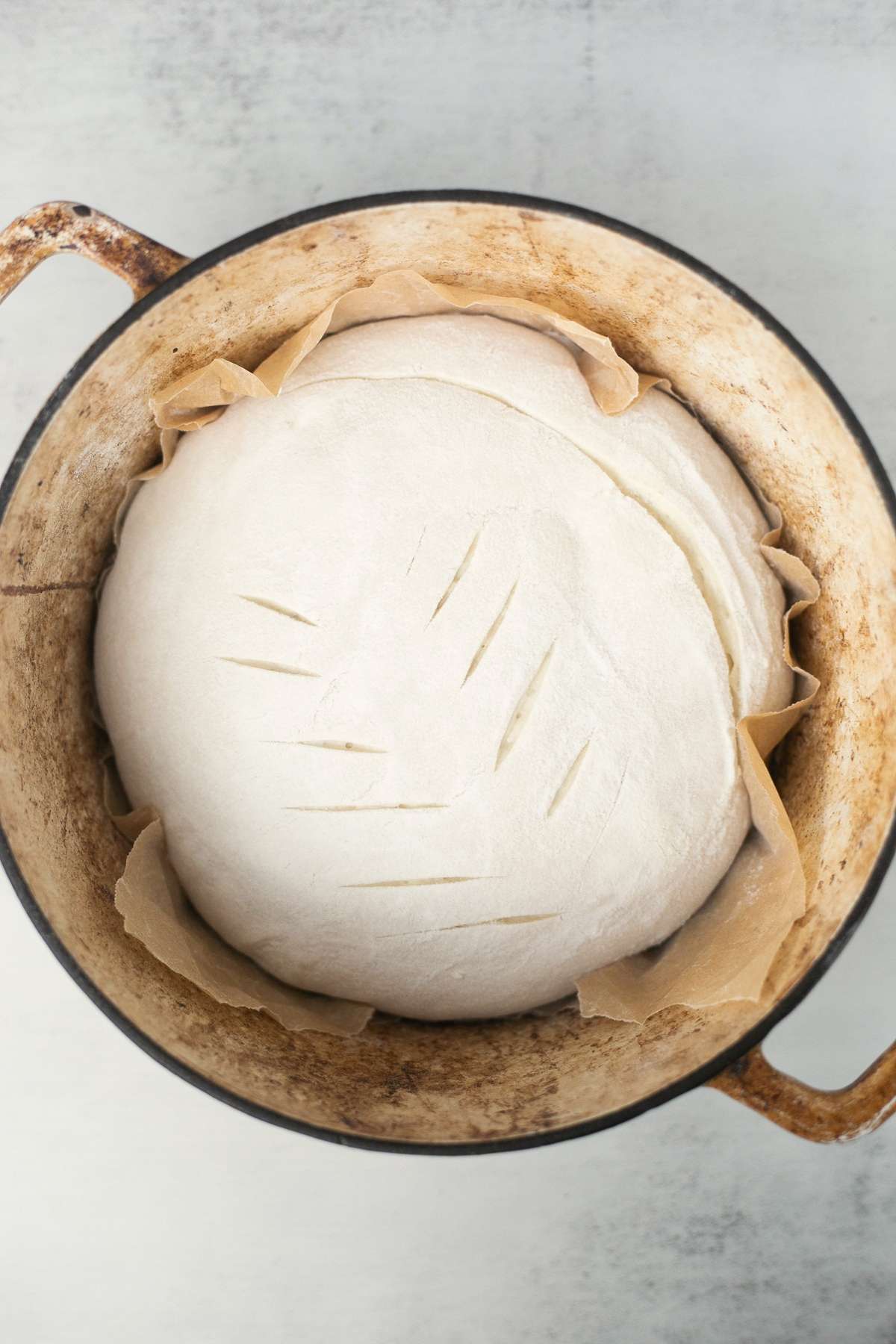
Step 5: Ferment the dough for anywhere from 12-48 hours.
When ready to bake, preheat the oven to 450 degrees F and place your Dutch oven into the oven to heat up.
Remove the dough from the fridge and flip it over onto a piece of parchment paper.
Score the dough, (see this post for sourdough bread scoring tips) place in the hot Dutch oven, and bake for 25 minutes. Remove the lid of the Dutch oven and bake for an additional 22-25 minutes or until golden brown.
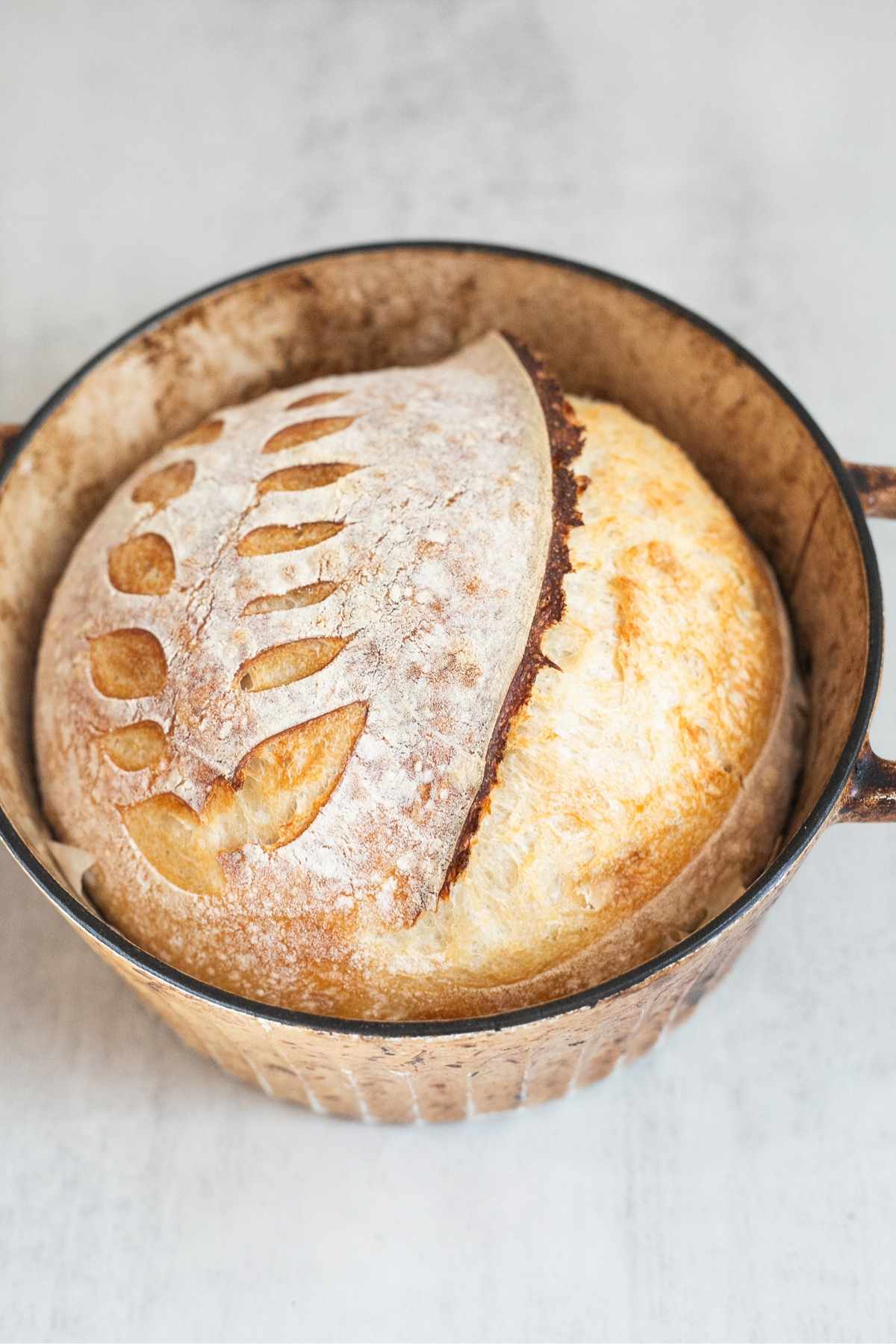
Step 6: Let the bread cool for at least one hour before slicing.
Enjoy!
Save This Recipe!
Summarize and Save This Recipe Content On:

Sample Timeline
You can adapt this recipe to be made in the morning or at night, right before bed. Learn more about sourdough baking schedules here.
Here is the sample timeline I typically use:
- 9 am: Mix ingredients together for dough
- 9:30 am: Start stretch and folds, spaced about 30 minutes apart
- 11:00 am: Let dough continue to ferment
- 6:00 pm: Shape dough, place in banneton, and transfer to fridge
The bread can be baked at any time over the next few days!
Long Fermented Sourdough Bread Loaf Faq’s
Typically speaking, most bakers will ferment their bread for up to 36 hours. However, sourdough bread can fermented for 3-5 days, if the temperature of the refrigerator is 38 degrees F. If the fridge is too warm, the bread will over ferment.
Yes, the longer the dough ferments, the more of the gluten is broken down, making it to easier digest.
There are many additional benefits to baking a long fermented loaf- the bread is not only tangier and chewier, it’s easier on blood sugar levels, has increased available minerals, and can keep you full longer.
If sourdough bread is fermented for too long the gluten will break down and the dough will lose it’s elasticity and turn soupy. To make sure your long fermented bread does not over ferment, keep your refrigerator temperature low (around 38 degrees F).
More Easy Sourdough Bread Recipes
For more easy, beginner-friendly sourdough bread recipes, try my sourdough bread baked in a loaf pan, sourdough croissant bread, and easy sourdough bread for beginners.
If you tried this long ferment sourdough bread loaf or any other recipe on my blog please leave a star rating and let me know how it went in the 📝 comments below. Thanks for visiting!

Long Fermented Sourdough Bread Loaf
Equipment
- 1 Dutch Oven
- Large Bowl
Ingredients
- 350 grams water
- 60 grams sourdough starter
- 500 grams bread flour
- 12 grams salt
Instructions
Make Dough
- Whisk together water and sourdough starter until nearly combined. Add the flour and salt and mix together until a rough ball of dough forms. Cover and let the dough rest for 30 minutes.
- Stretch + folds: To perform one set, grab one side of the dough and stretch it up and over itself. Rotate the dough 1/4 of the way around and stretch and fold the dough again. Repeat this process, working your way around the dough over and over until the dough is taut can no longer stretch. Cover the dough and wait 30 minutes. Repeat 2-3 additional set of stretching and folding, spaced about 30 minutes apart.
Bulk Fermentation
- Cover the dough and let it rise for 6-10 hours or until it is just under double in size. Room temperature will affect bulk fermentation time. The dough is done fermenting when it has a slight dome, pulls away easily from the sides of the bowl, and has a few air bubble throughout.
Shaping
- Dump the dough out onto a lightly floured work surface. To shape, fold each side of the dough into the center, then turn it over. Add tension to the surface of the dough by pushing the dough in a clockwise direction along the surface of your countertop.Place the dough seam-side up into a lightly floured banneton. Cover the dough and place in the fridge. I like to tie a plastic bag from a grocery store loosely around the dough.
Cold Ferment
- Cover the dough and refrigerate for 12-48 hours, making sure the fridge temp stays cold (38 degrees F or less)
Bake
- Preheat the oven to 425 degrees F and place a Dutch oven in it to heat up. Remove the bread from the fridge. If need be, gently re shape the dough by pushing it in on the sides. Place the dough on a piece of parchment paper and score the dough. Place the dough in the hot Dutch oven and bake for 25 minutes. Remove the lid and bake for an additional 22-25 minutes or until golden brown. Let the dough rest for 1 hour before slicing. Enjoy!
Notes
- Refrigerator temperature is very important for this recipe. If your fridge is too warm, the dough will continue fermenting as it sits in the fridge and risk over-fermenting. Keep the fridge temperature to 38 degrees F or less. Use a refrigerator thermometer to keep an accurate eye on the temp.
- Use an active, bubbly starter for this recipe-preferably just after it “peaks”. You can learn how to care for your sourdough starter here.
- Room temperature will affect how quickly your dough rises. Warm room temperatures of 72 degrees F will speed up fermentation time, while colder temperatures will slow down fermentation time. If you’d like to control the temperature, consider using a bread proofer or a warming mat.
- You can start this dough in the evening or in the morning- just keep in mind that the room temperature will affect how quickly the dough is dough with it’s first ferment.
