

Sourdough Discard Sandwich Bread

This soft and fluffy sourdough discard sandwich bread is an easy-to-make, quick sourdough win!
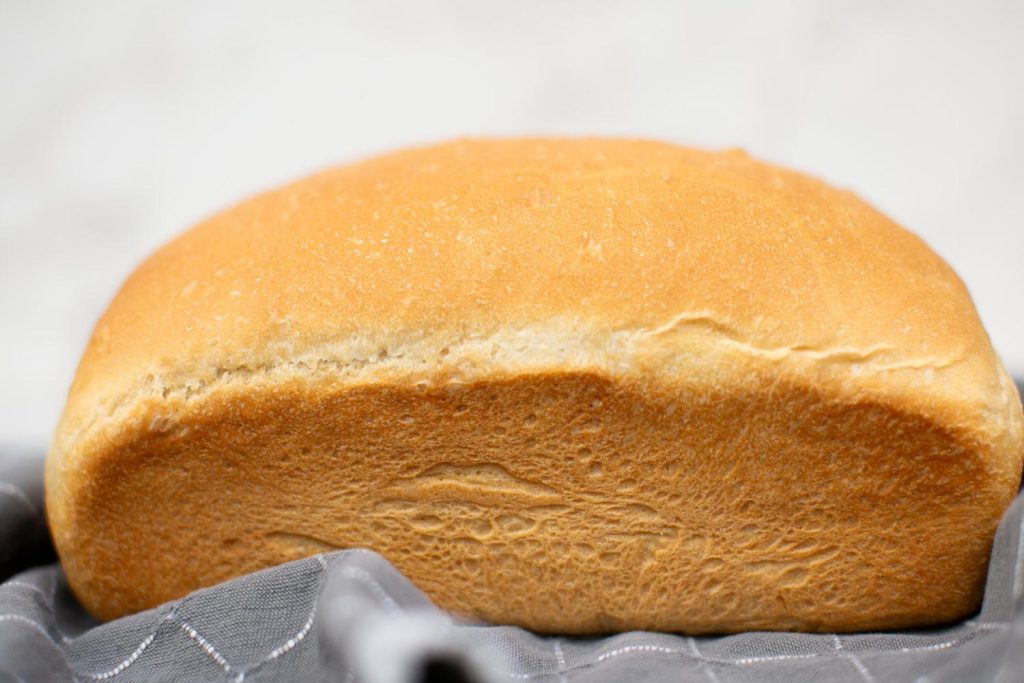
I am always looking for ways to use up my excess discard, and what better way than a loaf of delicious sourdough bread? This simple bread recipe yields a loaf with a golden brown crust and a soft, fluffy interior.
This soft sourdough bread is an excellent recipe for first-time bakers who need an easy loaf they can return to week after week. This recipe is simple, too. Instead of using active starter to raise the dough, we use commercial yeast to ferment the bread.
Baker’s tip: To make this recipe without butter, substitute 2 tablespoons of cup coconut oil or avocado oil.
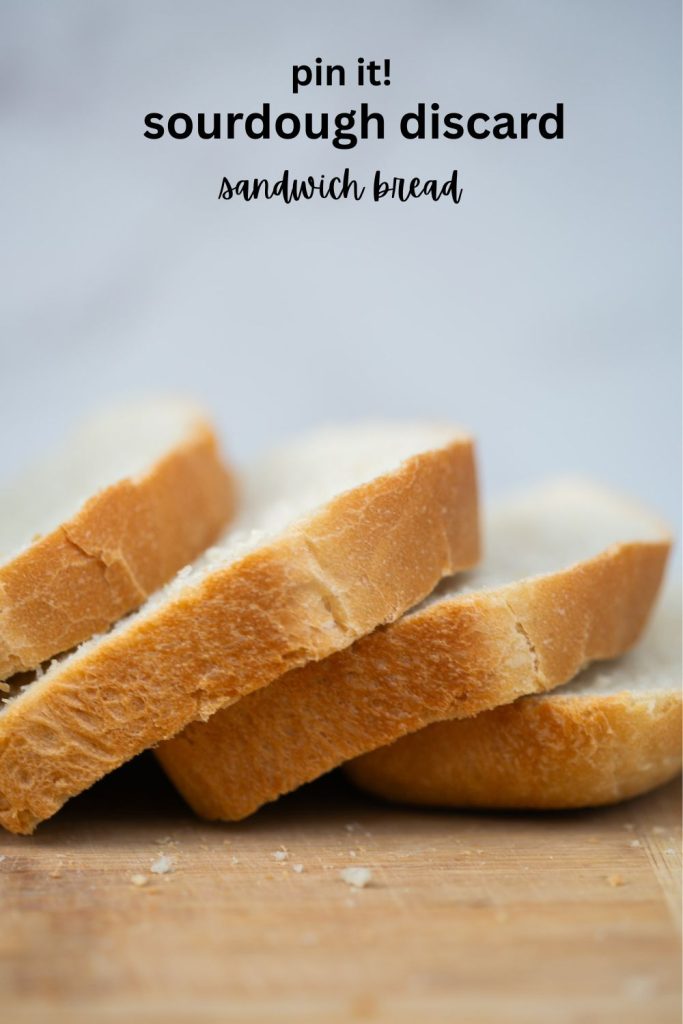
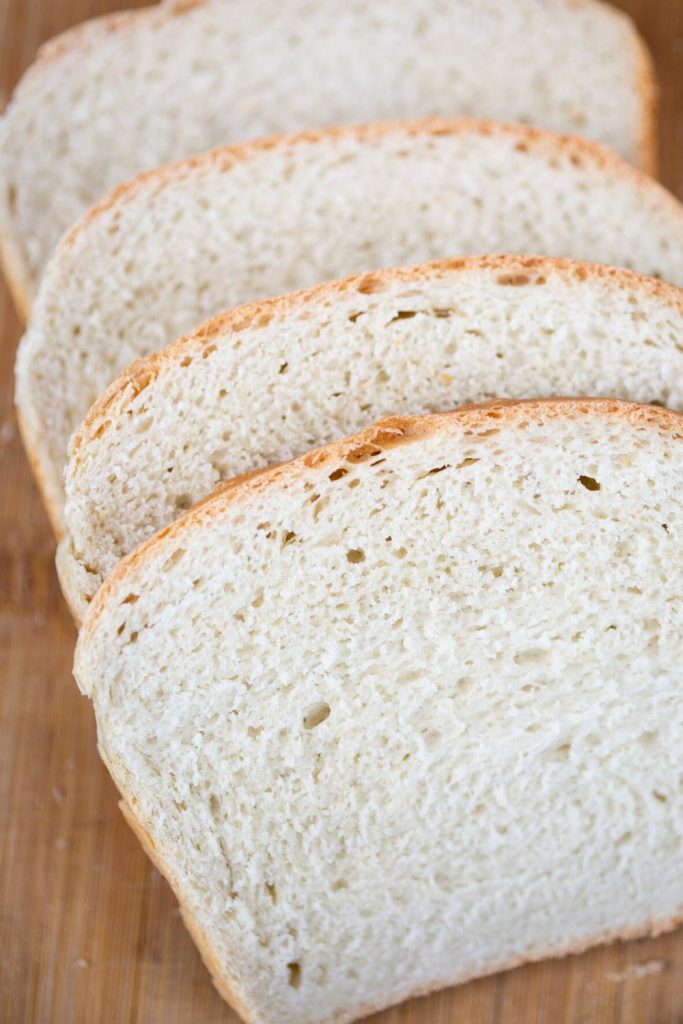
This recipe is a great way to replace store-bought bread with homemade. It features a soft crust and tender interior crumb. It’s perfect for sandwiches or French toast!
Reader review: “This is my weekly go-to bread recipe! I’ve been making it for two months, following the recipe exactly, and every loaf turns out perfectly. It’s ideal for sandwiches—softer than traditional sourdough, but still packed with that delicious sourdough flavor!” – Dawn
For more delicious sandwich loaves, try this whole wheat sourdough sandwich bread, easy sourdough sandwich recipe, or enriched bread.
Tips + Notes
- Temperature: The bread dough will rise more quickly in warm temperatures. If your home temperature increases with the warm weather, be prepared for a faster rise in dough.
- Scale: I highly recommend using a kitchen scale to measure out the recipes in grams (I also include this recipe in cups for convenience).
- One bowl: You can easily mix the dough in the bowl of a stand mixer and let it rise in the same bowl.
- Loaf pan: I am using a 9×5-inch loaf pan for this recipe, but you can also use an 8×4-inch pan. The smaller pan will give your bread a more rounded, “mushroom” shape.
Tools
- A kitchen scale provides precise measurements, enabling you to achieve accurate results consistently.
- A stand mixer with dough hook attachment helps mix the dough. You can also knead it by hand.
- 9×5 or 8×4 bread pan
Using Instant Yeast
If you have instant yeast, you can substitute it for the active dry yeast. You will not need to use warm water to activate the yeast, and the rise times will be a bit quicker. I have made this recipe with both forms of yeast, and it turns out just fine!
Ingredients:
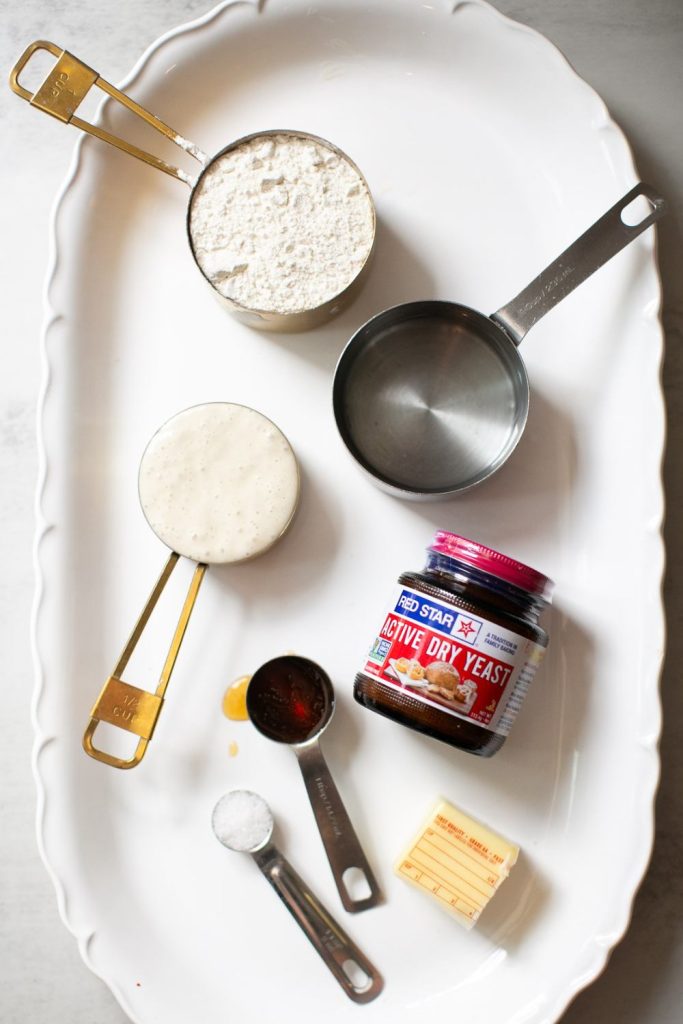
- Active dry yeast
- Warm water
- Bread flour: (all-purpose flour can be substitued)
- Salt
- Honey (may substitute with sugar)
- Butter (use room temp butter, chopped into pieces)
- Sourdough discard: Use room-temperature sourdough discard. If your discard is refrigerated, set it on the counter to warm up before using it to make the bread.
I have used both week-old sourdough discard and day-old sourdough discard for this recipe. If using refrigerated discard, set it on the counter to come to room temperature before adding it to the recipe.
Save This Recipe!
Summarize and Save This Recipe Content On:
How To Make Sourdough Discard Sandwich Bread
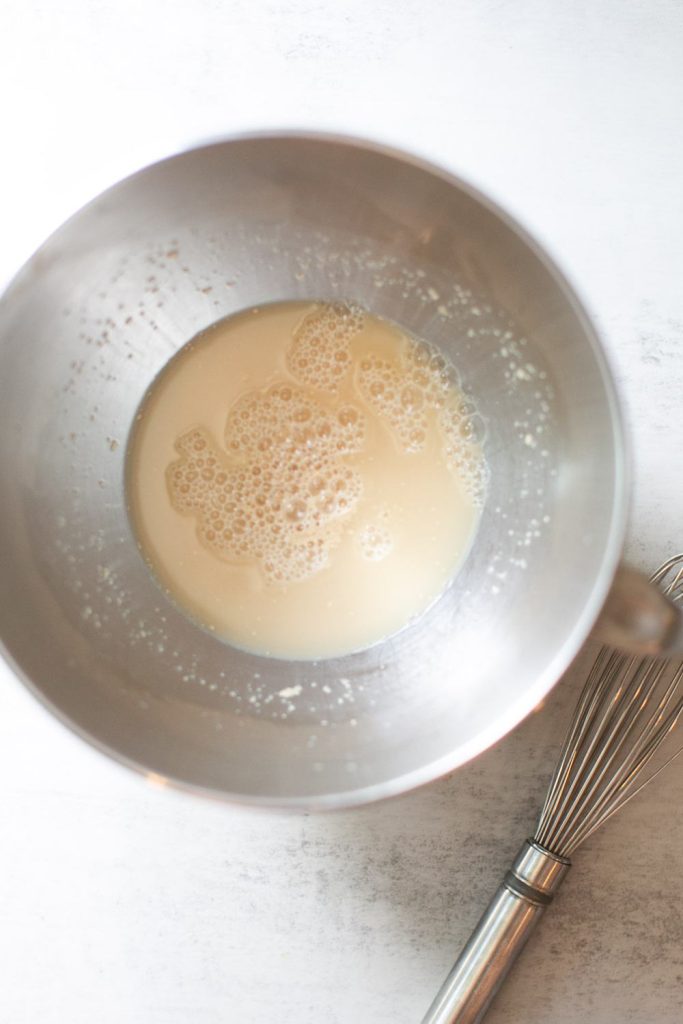
Step 1: Add the water, yeast, and honey into the bowl of a stand mixer and whisk well. Let sit for five minutes.
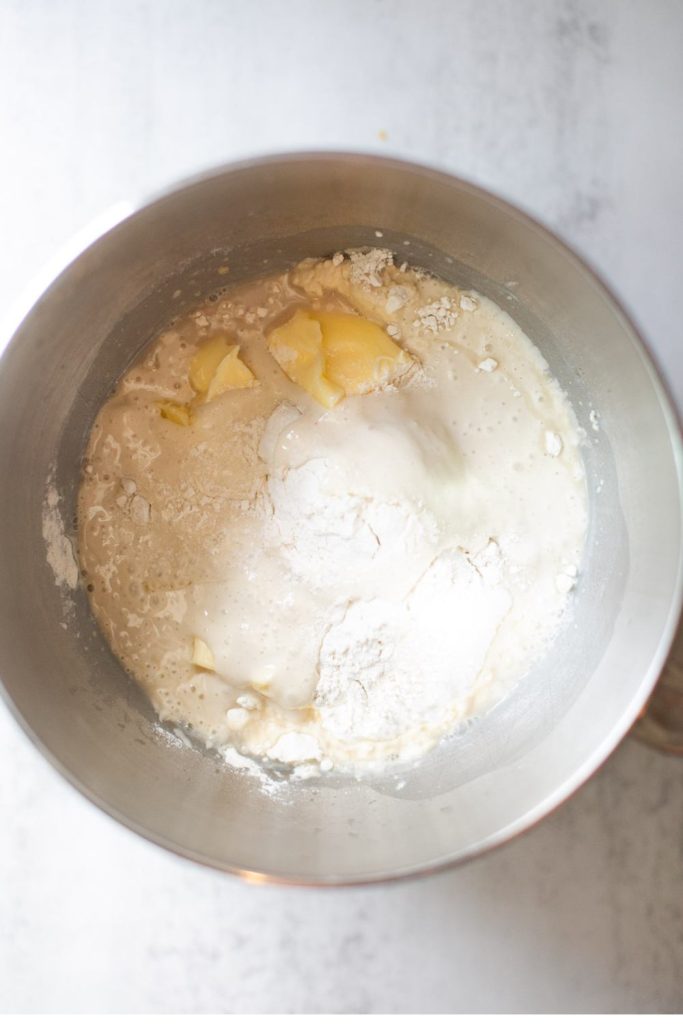
Step 2: Add the flour, salt, butter, and salt to the wet mixture. Use the dough hook attachment and knead on low speed for 7-8 minutes or until the dough is smooth and elastic. It should no longer be sticky and should pull away from the sides of the bowl.
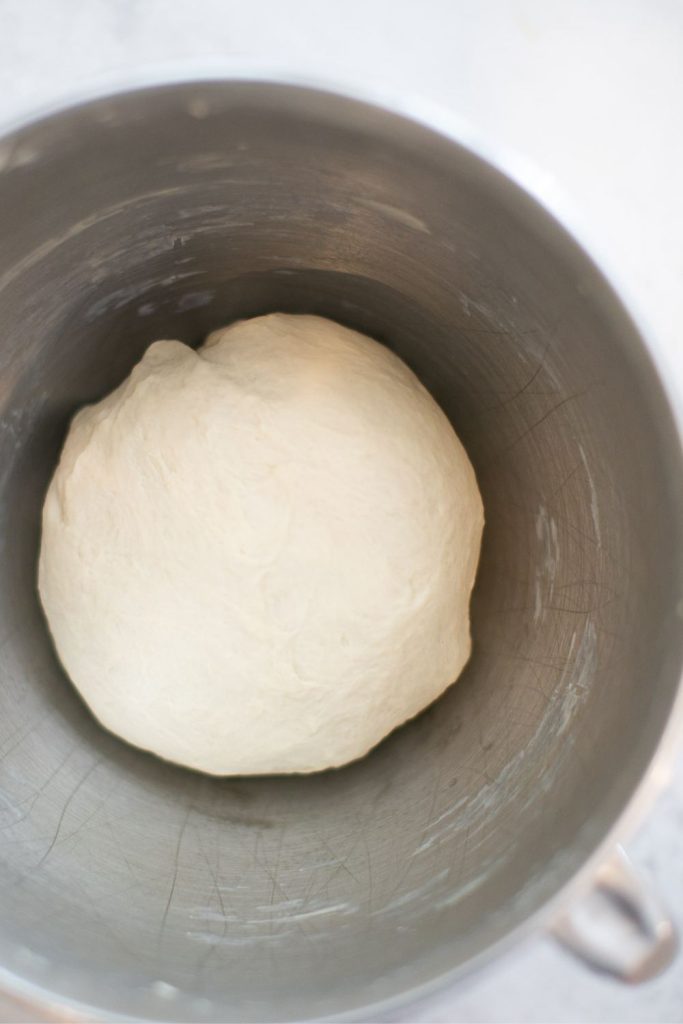
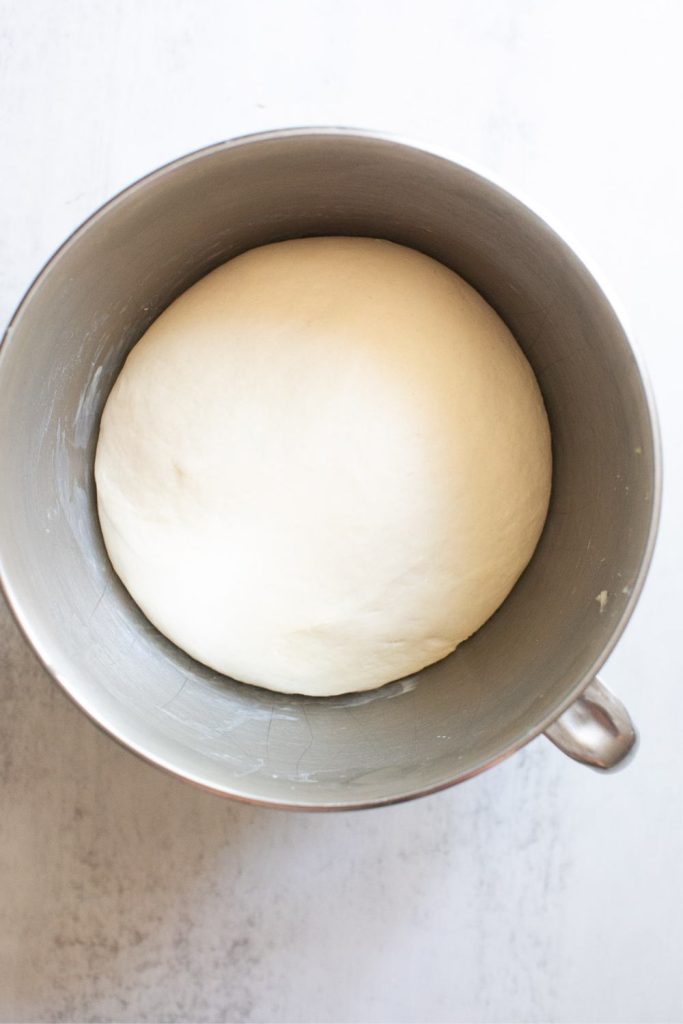
Step 3: Cover the dough with plastic wrap or a damp tea towel and let it rise in a warm place until it has doubled in size, 1-2 hours. In warm temperatures, the rise time will be faster.
Step 4: Butter your loaf pan. Gently dump the dough onto a lightly floured surface and stretch it into the rough shape of a rectangle (it doesn’t need to be a specific size). Tightly roll the dough up into a log shape, pinching the ends. Use the palms of your hands to adjust the dough’s shape as needed.
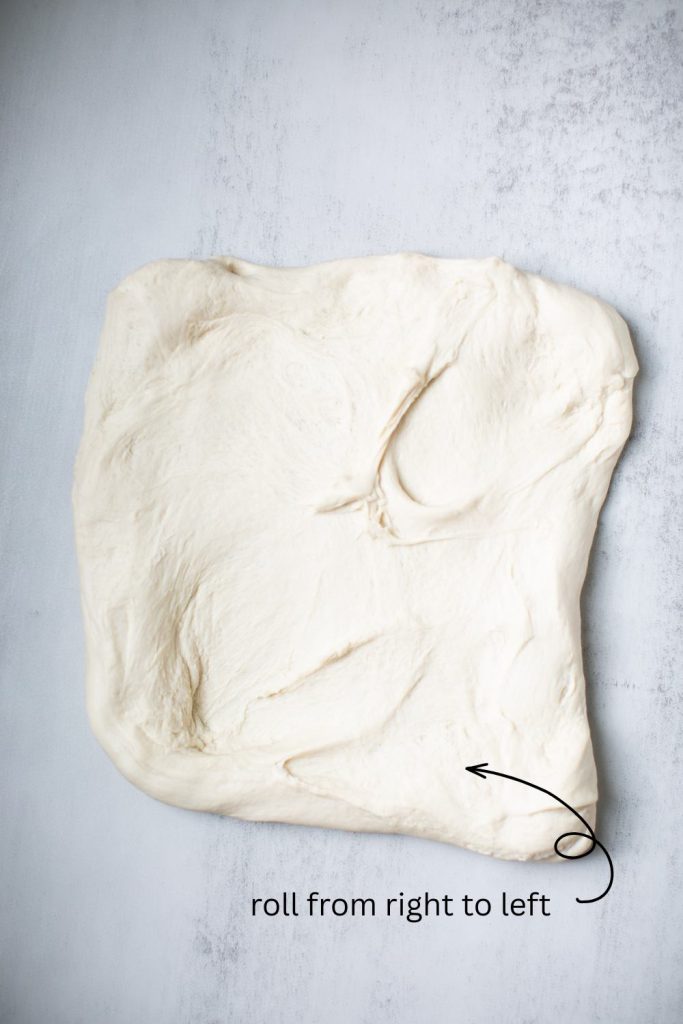
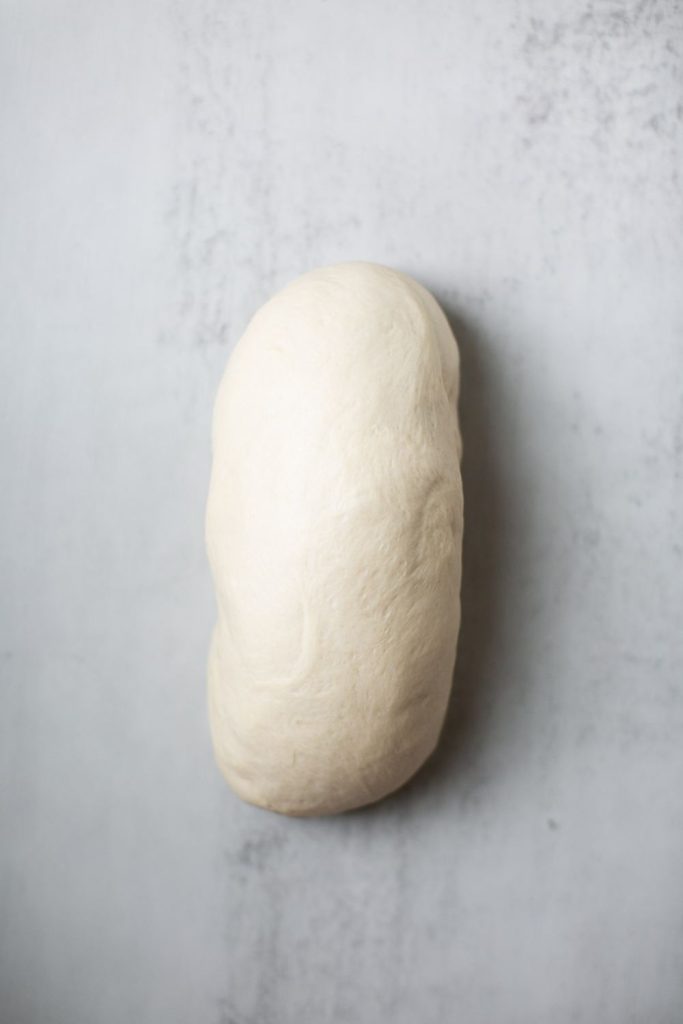
This bread will feel different from bread made with active sourdough starter. It has a playdough-like consistency and is very soft and pliable.
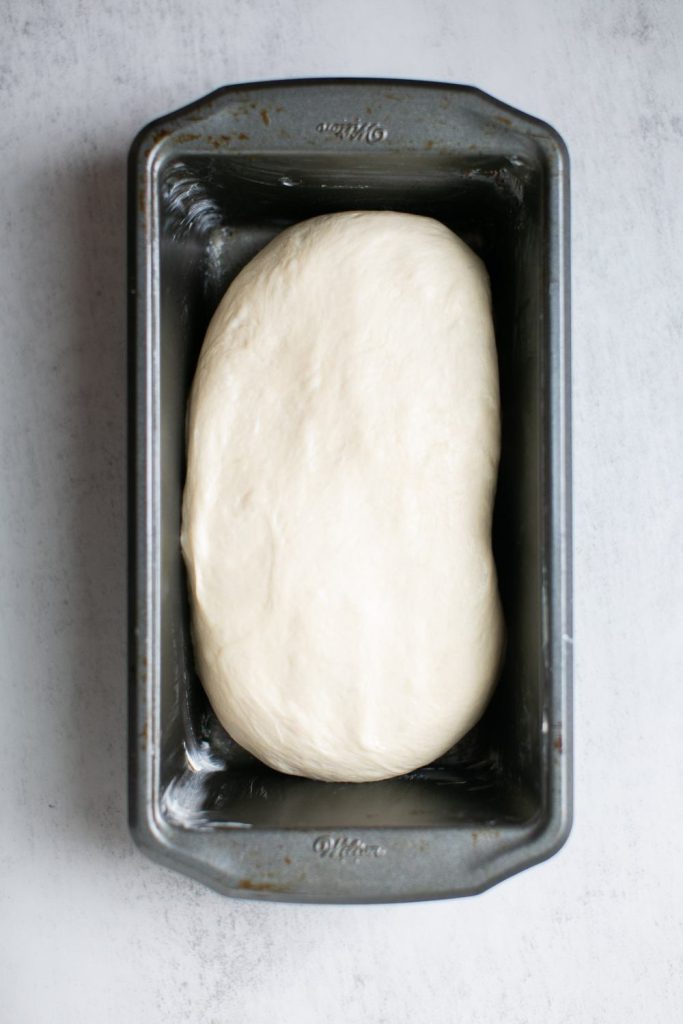
Step 5: Set the dough into the buttered baking pan. I like to use the palm of my hand to gently flatten the dough, allowing it to rise evenly during the second rise. Cover and let the dough rise until it has doubled in size, or about 1 hour (depending on the temperature).
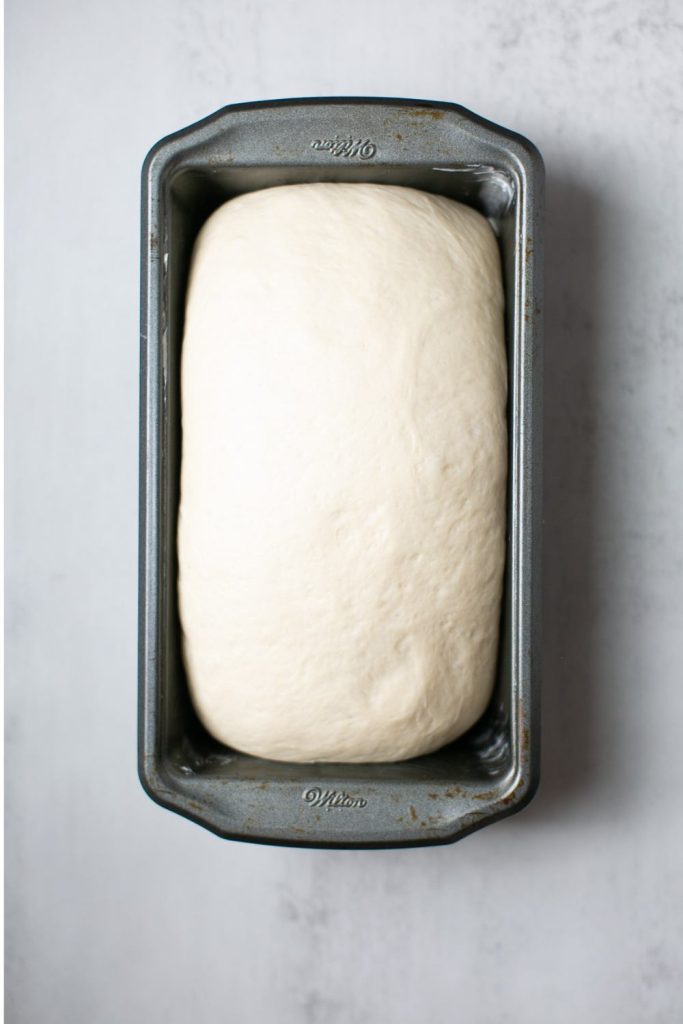
Step 6: When ready to bake, preheat the oven to 350°F. Let the stove warm up at temperature for 10 minutes. Spritz the dough with water, then bake for 40-45 minutes or until the bread has a nice golden crust. When done baking, the internal temperature should be 195 degrees or slightly higher.
Remove from the pan and let cool on the countertop. Allow the bread to cool completely before slicing.
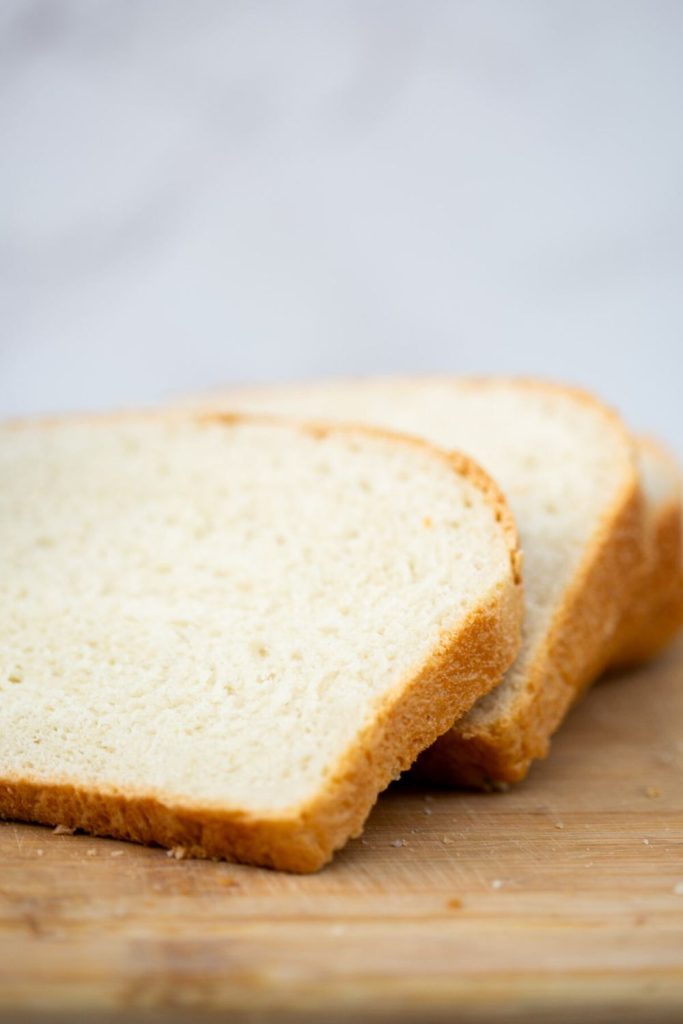
Why Does Sandwich Bread Crack On The Sides?
Sandwich bread can crack or break on the sides as steam seeks a spot to escape during baking. This does not affect flavor but makes the bread less attractive.
If the bread is not fully proofed before baking, it will finish rising in the oven, causing the dough to puff up quickly and tear the sides.
The size of the pan can also affect how the bread bakes. Bread baked in 9×5-inch pans tends to break more, while bread baked in 8×4-inch pans tends not to break as much.
To prevent splitting, ensure the bread dough doubles in size during each rise. You can also score the loaves down the center to give the steam inside the loaves a specific spot to escape.
Substitutions + Variations
- Olive oil or coconut oil can be substituted for the butter
- Use this recipe as a base for delicious add-ins such as raisins and cinnamon, nuts, or grated cheese!
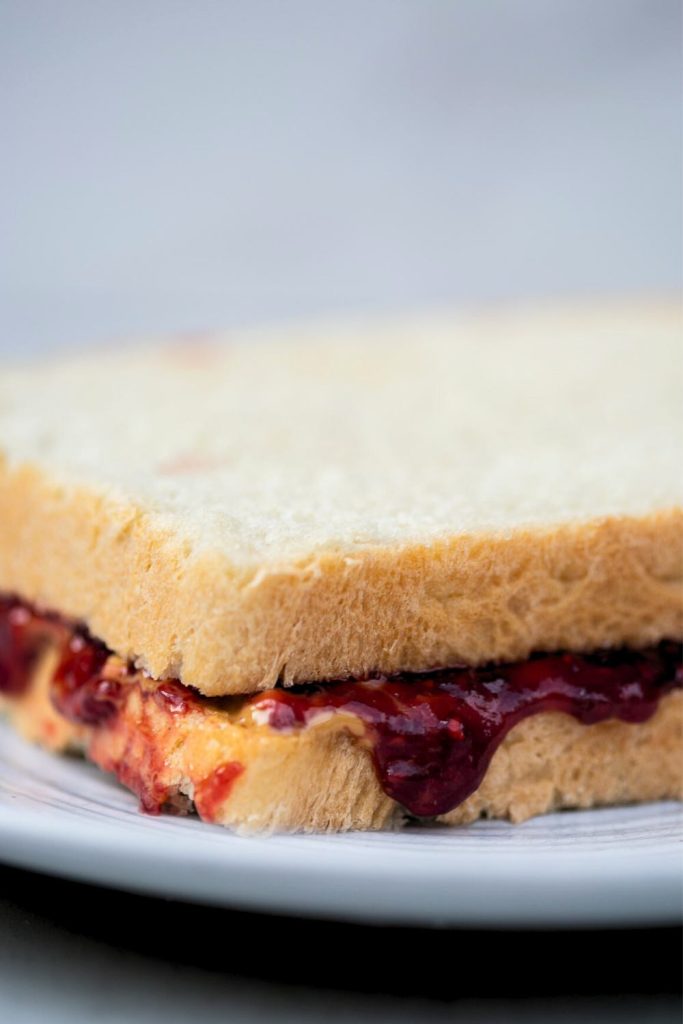
Storage
Store leftover bread in an airtight container for 5 to 7 days.
To freeze, wrap in aluminum foil and then store in a freezer safe container for 3 months.
For more sourdough discard recipes, try my famous banana bread, chocolate chip cookies, or muffins!
Sourdough Discard Sandwich Bread Recipe
Equipment
- 1 stand mixer (you can also knead by hand)
- 1 Bread Pan 9×5 or 8×4
Ingredients
- 7 grams active dry yeast 2 tsp
- 30 grams honey 1.5 tbsp
- 240 grams warm water 1 cup
- 500 grams bread flour about 4 cups
- 4 TBSP butter cut into chunks
- 12 grams salt 2 tsp
- 100 grams sourdough discard 1/2 cup
Instructions
Make Dough
- Add the water, yeast, and honey into the bowl of a stand mixer and whisk well. Let the mixture sit for five minutes.7 grams active dry yeast, 240 grams warm water, 30 grams honey
- Add the flour, salt, butter, sourdough discard and salt to the wet ingredients. Use the dough hook attachment to knead on low speed for 7-8 minutes or until the dough is smooth and elastic. The dough should pull away easily from the sides of the bowl.500 grams bread flour, 12 grams salt, 100 grams sourdough discard , 4 TBSP butter
First Rise
- Cover the dough with plastic wrap or a damp tea towel and let it rise in a warm place until it has doubled in size– between one to two hours.
- Butter the loaf plan. Stretch the dough into a shape of a rectangle(it doesn't need to be a specific size). Tightly roll the dough up into a log shape, pinching the ends. Use the palms of your hands to adjust the dough's shape.
Second Rise
- Set the dough into the buttered baking pan. Gently flatten the dough with your palm, allowing it to rise evenly during the second rise. Cover and let the dough rise until it has doubled in size, or about 1 hour (depending on the temperature).
Bake
- When ready to bake, preheat the oven to 350°F. Let the stove warm up at temperature for 10 minutes. Spritz the dough with water, then bake for 40-45 minutes or until the bread has a nice golden crust. When done baking, the internal temperature should be 195 degrees or slightly higher.
Notes
-
- Temperature: The bread dough will rise more quickly in warm temperatures, this recipe is based off a temperature of 72 degrees F.
-
- Scale: I highly recommend using a kitchen scale to measure out the recipe in grams. This will give you the most accurate results time after time!
-
- Splitting: If your bread is splitting down the sides, it may be under fermented. Make sure your dough doubles during the ferment. You can also score your bread before baking to prevent breaks.
-
- Discard: Make sure your sourdough discard is at room temperature when you start the recipe.

Can I cold proof this after shaping and rise/bake the next day?
Hi Colleen- thank you for the review, and yes you can!
I am so glad I stumbled on this recipe. I’ve made it four times now and each time it came out perfect. The rise adding the yeast is a beautiful thing to see!
Hi Cindy, I’m so happy you are enjoying this bread recipe, and thank you for taking the time to leave the review! I’m glad its worked so well for you and it yes it is a lovely, quick bread to make. 🙂
So thankful this email landed I. My inbox. I’ve missed my starters “peak” twice in the last couple days ….was thinking I’d have to begin again tomorrow. Now I can try this. My only question is because I love using active sour dough starter because of the digestible advantage – do I lose that using yeast? Thank you
Hi Dawn! Thank you so much for stopping by and that is a great question… Yes, you do lose the fermentation process in this recipe, unfortunately. Homemade bread is always healthier than store-bought, but this specific recipe does not have the benefits of a long ferment.
I do, however have an idea for you… you could try this easy “unloaf” sourdough bread recipe. It uses discard or flat starter and still undergoes the long ferment. It’s a super easy recipe as well and works really well with busy schedules. You can check it out here: https://gingerhomemaking.com/unloaf-sourdough-bread-recipe/
Let me know if you try it! 🙂
This is such a life saver when the whole family is sick and you can’t really time anything anymore 🥲
Thanks for sharing!
My go to recipe for bread when my starter peaked at an inconvenient time for me. It is so easy and quick, we all love it!
So glad you love this recipe Grace! Thanks for letting me know!
This bread is perfect for toast and sandwiches! Love this recipe!
We love it too, thank you for the review Valencia!
This bread looks so soft and fluffy! What a great recipe!
Thank you so much Molly!
This sounds like such an easy recipe and it looks perfect! I imagine that it would make an amazing grilled cheese sandwich too!
That’s a great idea for this bread Heidi!
Just made this bread and it is the most perfect loaf I’ve ever made! Thank you.
That is such great news Tamara! Enjoy and thank you for letting me know! 🙂
This easy bread is a staple in our household. I hope you enjoy the recipe!