

Easy Unloaf Sourdough Bread Recipe

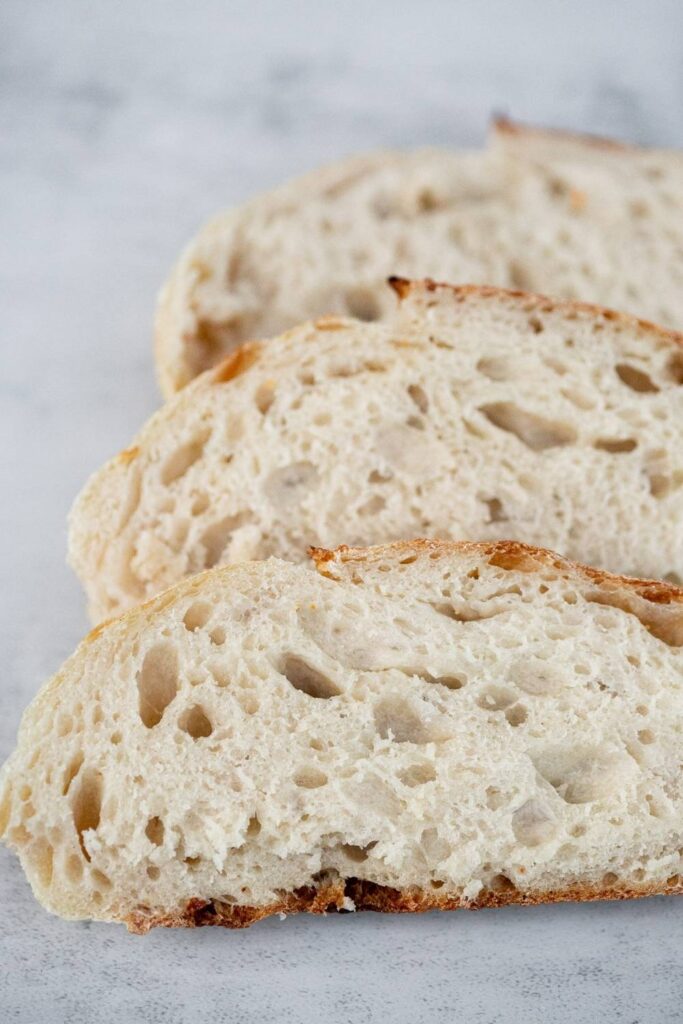
This easy unloaf sourdough bread recipe is tangy, soft, chewy and delicious! Featuring flat and runny sourdough starter (also known as discard), it’s been my family’s favorite and baked on repeat over the last few weeks.
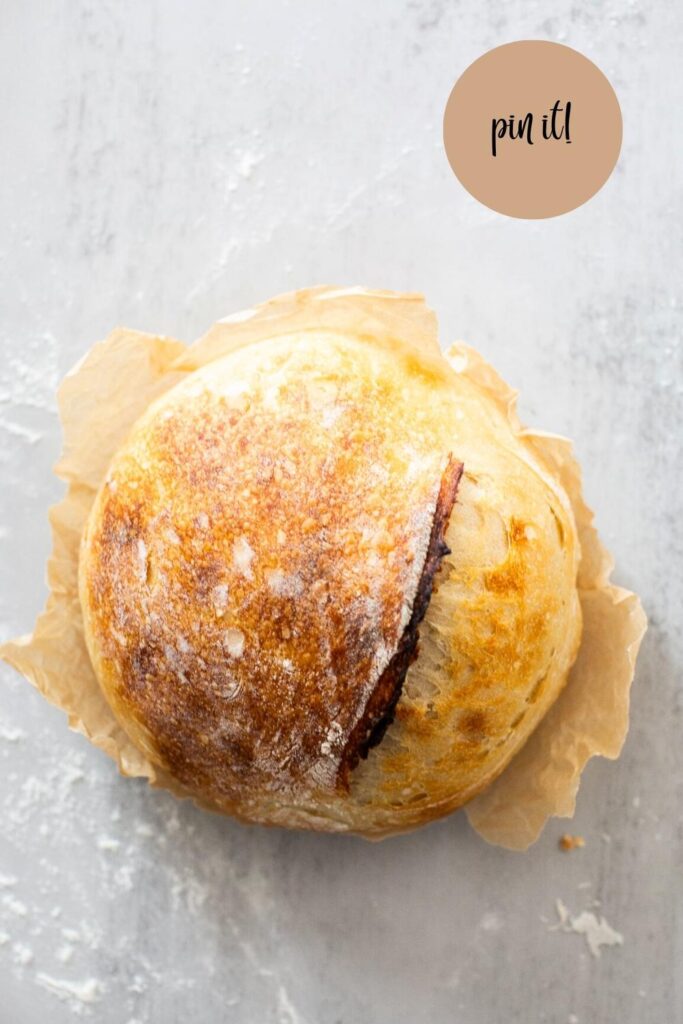
This is the best sourdough method for busy moms or people who like to approach their bread baking with a slightly lazy hand. It’s the perfect approach for beginner baker’s- no stretch and folds, preheating of the Dutch oven, or fancy shaping required.
It’s so effortless yet turns out delicious every time! This recipe is designed so you can make it same day OR ferment it overnight.
Because we are using discard instead of active starter, this bread has a much stronger flavor! Perfect for those of you seeking out a tangy, strongly flavored sourdough bread.
Try my other popular sourdough recipes- easy sourdough sandwich bread, Dutch oven sourdough, rosemary sourdough loaf, and same day sourdough bread.
Ingredients
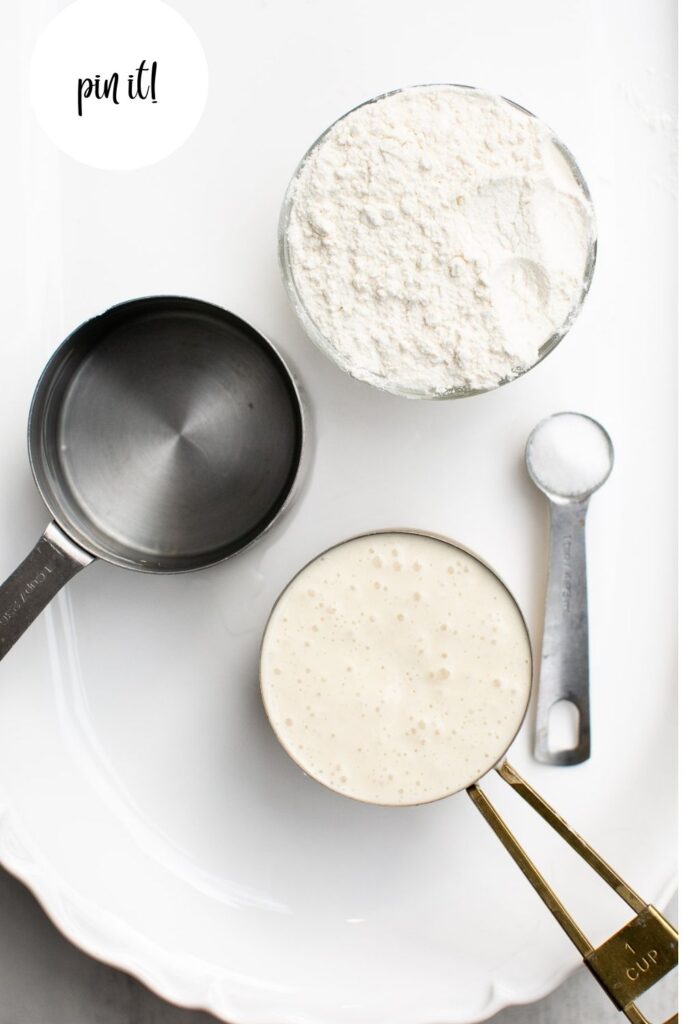
You only need a few ingredients for this chewy bread loaf:
- Sourdough discard: flat sourdough starter that needs to be fed. I have used cold discard from the fridge and discard sitting at room temperature.
- Water-filtered water works best.
- Bread flour
- Salt
Learn how to make a sourdough starter and feed it here.
Recipe Tips + Notes
- I have noticed that this bread takes a bit longer to rise than when using active starter, especially when using cold discard from the fridge. Allow 1-2 more hours on average.
- All purpose flour may be substituted for bread flour with no problem.
- I feed my sourdough starter a 1:1 ratio, so equal amounts of flour and water each time.
- Just like any sourdough recipe, temperature is key to the bulk ferment. In warmer temperatures, the dough will rise faster. This recipe was developed at 74 degrees F and took 9 hours to ferment.
How To Make Unloaf Sourdough Bread
Mix the water and sourdough discard in a large bowl with a spatula or dough whisk.
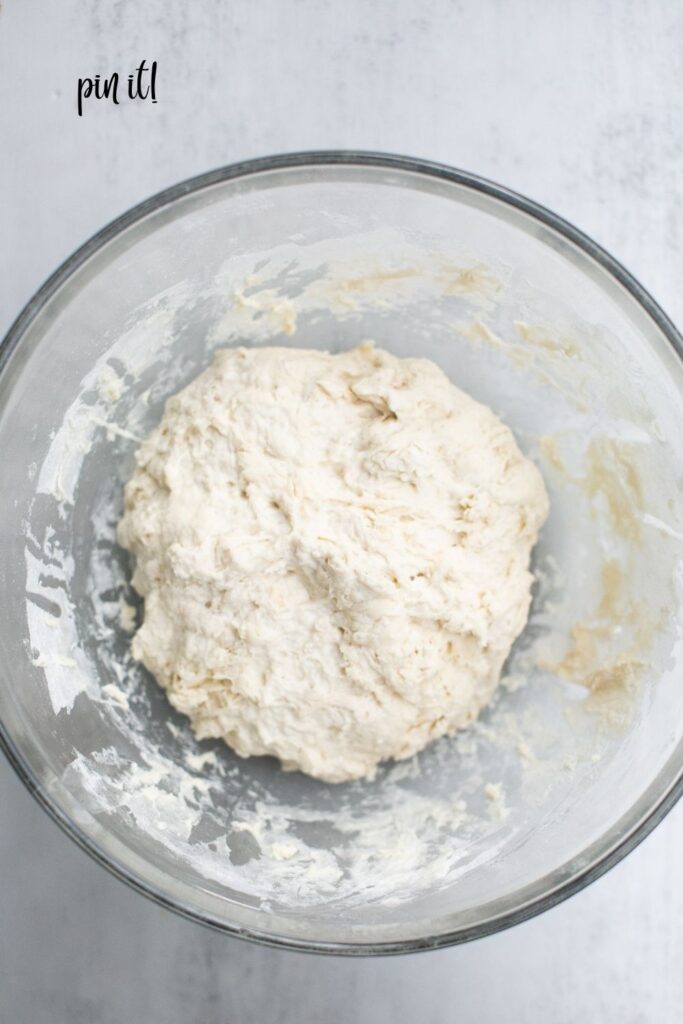
Add in the flour and salt. Mix all the ingredients until very well combined. Since we are not doing any stretch and folds you want to make sure everything is very well incorporated.
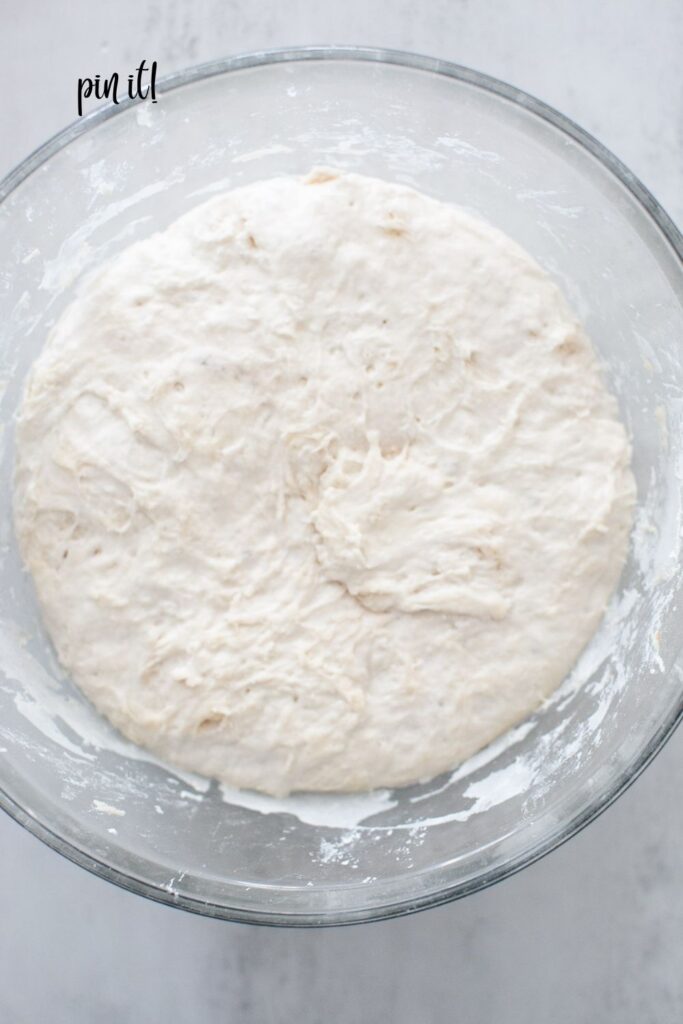
Cover with a plastic wrap or shower cap and allow the dough to ferment at room temperature until almost double in size (see notes below), or about 7-10 hours, depending on room temperature.
**This recipe was developed at 74 degrees F and took 9 hours to ferment.
Save This Recipe!
Summarize and Save This Recipe Content On:
After bulk fermentation, you can stick the dough into the fridge for a longer ferment. Or, you can continue on and bake it immediately.
When the dough is ready, preheat the oven to 450 degrees F. Lightly flour your work surface and dump the dough on top.
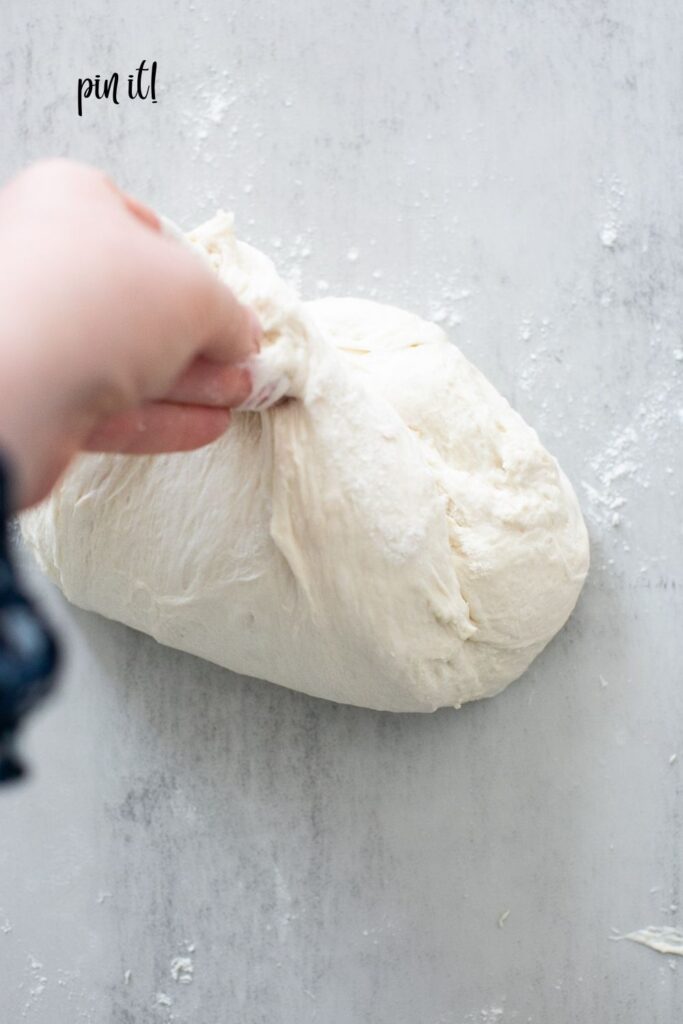
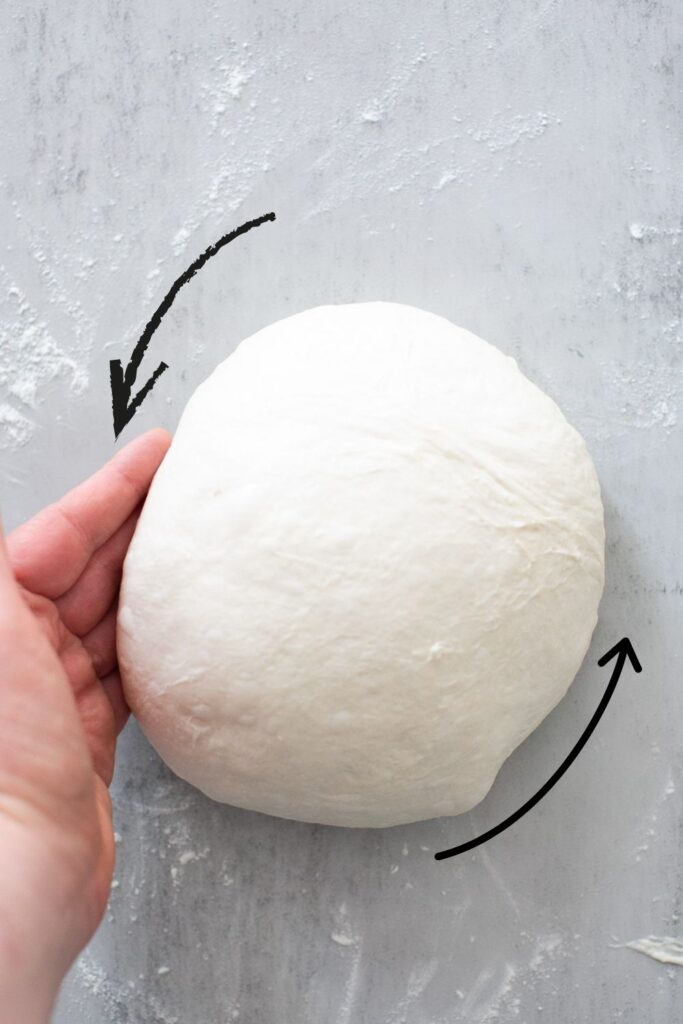
Shaping: To shape the dough, tuck all four sides into the center, one at a time. Roll the dough over so the seam is down. Now push the dough away from you with one hand, using the other hand to pull or “spin” it towards you. This builds elasticity and tension in the bread.
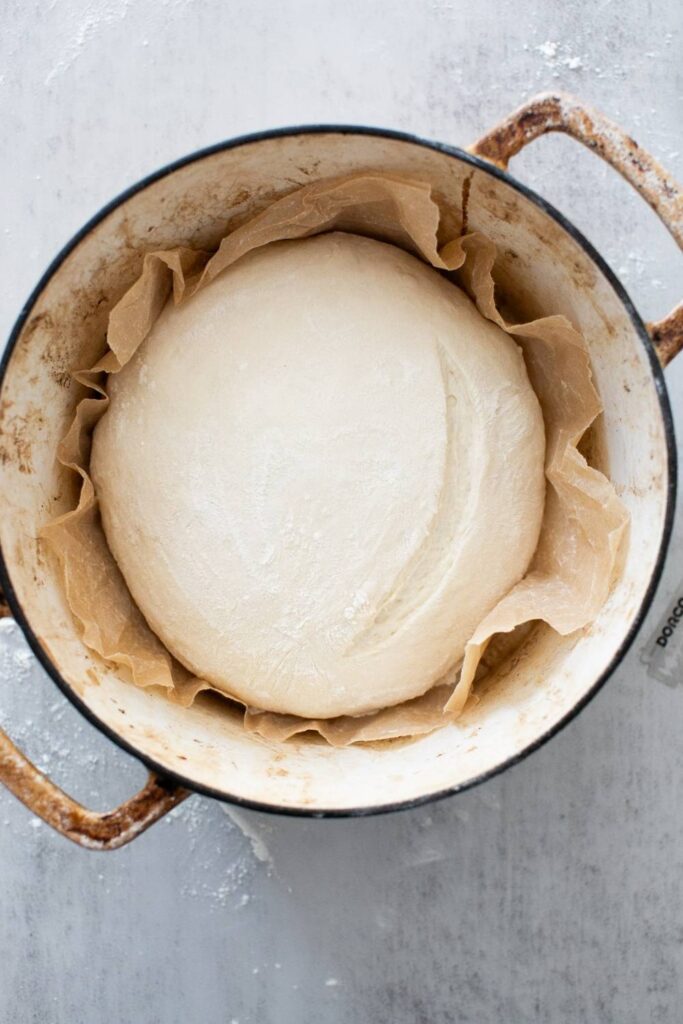
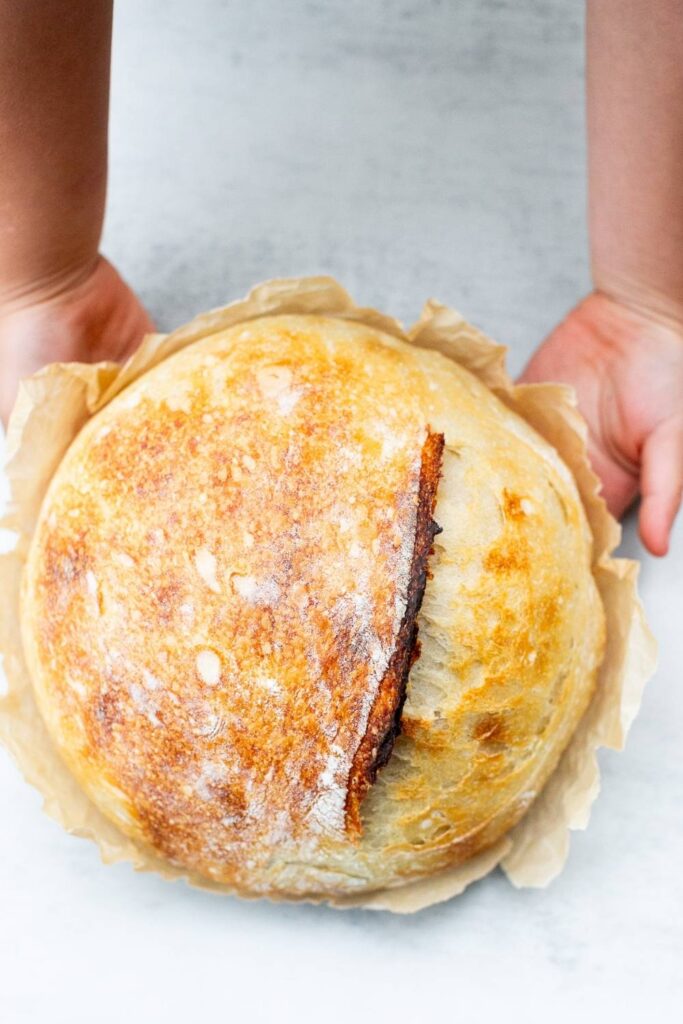
Use a razor or sharp knife to score the dough. I do a simple side score on this bread, but you can get more easy scoring ideas here.
Put the bread in the cold Dutch oven and bake for 25 minutes. Remove the lid and continue baking for 20-25 minutes or until golden brown.
Isn’t it just pretty!?
For best results, the bread cool for a at least one hour before slicing!
Baking Timeline
For an overnight ferment, start the dough before you go to bed, allowing for 7-10 hours of bulk ferment time.
For a same day ferment, start your recipe early in the morning, allotting ample time for the dough to rise.
Place the dough into the refrigerator after bulk ferment to bake at a later time. The dough will continue to ferment at a very slow rate, developing even more of a sour flavor!
How To Tell When The Dough Is Fermented
Figuring out when dough is fermented can be tricky! Here are the top signs that your dough is ready for the next step:
- The dough will be slightly jiggly + slightly domed.
- If using a glass bowl there will be LOTS of bubbles, or air pockets, visible on the bottom and sides.
- The dough should easily pull away from the sides of the bowl.
Faq’s
The sourdough unloaf bread recipe uses sourdough discard to ferment the dough instead of active sourdough starter.
Sourdough discard is unfed sourdough starter. It is the portion of sourdough starter that is left over after active starter has been used in a recipe, and the remaining starter has gone flat and needs to be fed.
Yes, cold refrigerated sourdough discard will work!
Inclusions
You can add inclusions when mixing together all of the bread ingredients. Here are a few ideas:
- Add 1 tablespoon honey and 1 tablespoon olive oil to soften the loaf
- Add in 1 cup of chocolate chips to sweeten things up
- Add herbs like oregano, basil, rosemary and thyme for an Italian loaf!
Easy Unloaf Sourdough Bread Recipe
Equipment
- 1 Large Bowl
- Dutch Oven
- Dough whisk optional
Ingredients
- 350 grams water
- 100 grams sourdough discard
- 500 grams bread flour
- 1.5 tsp salt
Instructions
- Mix the water and sourdough discard in a large bowl with a spatula or dough whisk.350 grams water, 100 grams sourdough discard
- Add in the flour and salt. Mix all the ingredients until very well combined. Cover with a plastic wrap or shower cap and allow the dough to ferment at room temperature until almost double in size, or about 7-10 hours. (Fermentation is dependent on room temperature).500 grams bread flour, 1.5 tsp salt
- When the dough is ready, preheat the oven to 450 degrees F. Lightly flour your work surface and dump the dough on top. Shaping: To shape the dough, fold all four sides of dough into the center, one at a time. Roll the dough over so the seam is down.Now push the dough away from you with one hand, using the other hand to pull or "spin" it towards you.
- Place the dough on a parchment paper, and use a sharp razor to score one side of the dough (see above for tips). Place the bread into a cold Dutch oven. Bake for 25 minutes, remove the lid of the Dutch oven, and then bake for an additional 22-25 minutes or until golden brown.
- Let cool for at least one hour before slicing. Enjoy!
Notes
- This bread takes longer to rise than when using active starter, especially when using cold discard from the fridge.
- All purpose flour may be substituted for bread flour.
- Like any sourdough recipe, temperature is key to the bulk ferment. In warmer temperatures, the dough will rise faster.

I’ve been wanting to try an “unloaf” and this recipe caught my eye because it’s a bit smaller than others. There’s just 2 of us and with an impending snowstorm, I knew I’d eat it all myself 😂 Threw this together. Took mine 19 hours to rise….its been COLD here. That was fine because I shaped it, dropped it in a loaf pan, and popped it in the refrigerator for a morning bake. It’s not my most picturesque loaf, but it is DELICIOUS!! Will definitely use this again….will try some milk, or oil and honey to make the crust a little softer but I’m sure those will work!
Hi Karen! I’m so glad the loaf turned out for you! It is such a cold weekend, but I bet the long ferment added some yummy sour flavor. Yes, oil and honey work perfectly for a softer loaf. You could honestly add any inclusions you wanted to this dough- make it an herb loaf, a soft loaf w the honey/oil, mini chocolate chips, etc… So glad you loved it and thank you for stopping by to share with us your experience! 🙂
So simple! I love this!
This is so very easy and straight forward. I love a recipe that requires no fussing for busy days. Definitely a keeper!
So simple and delicious! Thanks for sharing the recipe 😊
I love making an unloaf. Now baking is my superseed, multi-herb unloaf. I dry my own fresh herbs, grind them up and add them to many breads or fish, etc. thank you for the lovely recipe.
one question: it didn’t mention scoring the bread before putting it in the oven. Should I have scored the dough?
Hi Terry! I’m so glad you are enjoying this recipe, is does really simplify sourdough. Great idea to add fresh herbs to it! Some people do not score bread when making an “unloaf” style bread dough, but I always do. I’ll update the post to reflect that. 🙂
This sourdough bread recipe is quick and easy with a chewy, tender crumb. I hope you love this loaf as much as we do!